Rustproofing and Undercoating: Are They Worth It in the Long Run?

By Navin Kotecha, The Car Doctor
Published
Short answer from the Car Doctor: it depends on how long the vehicle will be yours. If you lease, or you trade every few years, a treatment buys you very little. If you plan to drive it through many Toronto winters, a yearly oil spray from a good shop is the protection most Canadian consumer groups point to. The cheapest protection of all is a regular wash.
Why GTA winters are hard on metal
Rust is what happens when steel sits with oxygen and water. Salt makes it go faster. Environment and Climate Change Canada puts the country's road salt use at roughly five million tonnes every winter season, and CAA North & East Ontario notes that salt spread on wet pavement speeds up corrosion, and keeps working after the thermometer climbs above zero.
Think about a February run on the 401 or the DVP. Every tire throws brown slush up into the wheel wells and across the underside, and each thaw soaks it all again. The underbody gets the worst of it, because it is the part of the car that touches road spray most and gets looked at least.
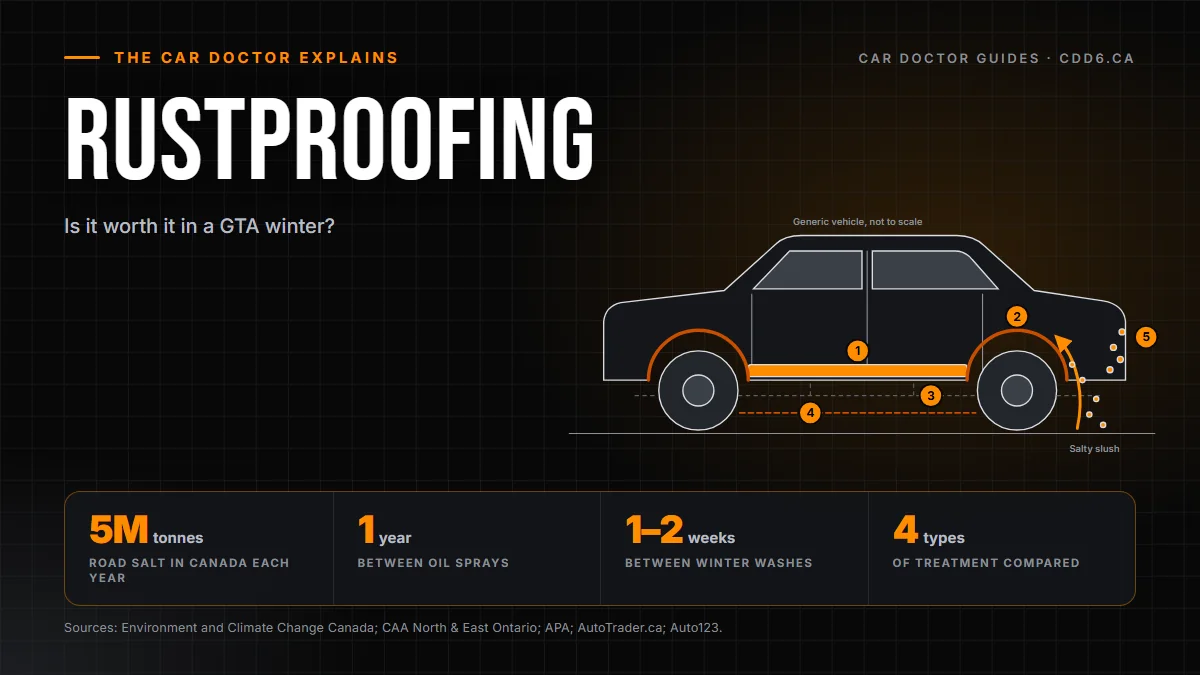
Where road salt goes to work on a vehicle
- Door bottoms and rocker panelsLow on the body, where slush lands and water can collect inside the panel.
- Wheel wellsEach tire sprays salty water straight up into them all winter.
- Frame rails and seamsWelds and joints hold moisture, and a car wash can't reach inside them.
- Brake and fuel linesThin metal lines run along the underside; corrosion there is a repair, not a cosmetic issue.
- Stone chipsA chip down to bare metal is where surface rust gets its start.
A generic vehicle, not to scale. The five areas are the ones Canadian consumer groups and body shops name most often. Simplified drawing; the layout differs between vehicles.
Source: APA, CAA North & East Ontario and AutoTrader.ca.
The Automobile Protection Association lists the usual victims: door bottoms, fenders, and mechanical parts such as brake and fuel lines. CAA adds that a lot of this happens out of sight, in seams, welds and other spots that washing alone won't protect.
Rustproofing vs undercoating: what's the difference?
People use the two words as if they mean the same thing. They don't. Undercoating is a thick layer, usually rubberized or tar-like, sprayed on the exposed underside to act as a shield. Rustproofing usually means an oil or wax product sprayed underneath and also inside the doors, rockers and other cavities, often through small access holes the shop drills and then plugs. A fourth option, the electronic module, doesn't coat anything at all.
| Treatment | What it is | How often | Strong point | Watch for |
|---|---|---|---|---|
| Drip oil spray | A thin, runny oil sprayed underneath and into body cavities | Every year | Creeps into seams and keeps covering small bare spots | Drips for a while after it goes on, and wears off over the year |
| Dripless (wax-based) spray | A thicker product that dries into a firm film | Ask the shop; it varies by product | No drips on your driveway | Can chip or crack as it hardens, and a crack can hold water against the metal; reaches fewer tight spots |
| Rubberized or tar undercoating | A heavy coat on the exposed underbody | Applied once, then checked | A tough shield against stones and road spray | If it cracks or chips, moisture can get trapped underneath |
| Electronic module | A small box meant to send a weak current through the body | Fitted once | Nothing to reapply | Independent proof that it protects a car is lacking |
Source: APA, AutoTrader.ca, Auto123, YourMechanic and MoneySense.
Drip oil spray
This is the one most often recommended. Because it is thin, the oil wicks into seams and crevices that a thicker product can't get to, and per YourMechanic it keeps dripping for a day or two after the job. The trade-off is that it doesn't last: road spray gradually strips it away, so Auto123 and AutoTrader.ca both say to have it redone once a year. A collision technician quoted by AutoTrader.ca points out that a yearly oil coat can even protect metal that has already lost its paint.
Dripless or wax-based spray
Dripless products set into a waxy film, which is cleaner to live with. The APA's concern is what happens next: wax doesn't flow back over a spot where a stone has knocked it off, and as it ages it can harden and crack, leaving gaps where water sits. A rust-control owner quoted by MoneySense makes the same point about thick, waxy sprays forming air pockets.
Rubberized or tar undercoating
A heavy undercoat is a physical shield, and it stands up to gravel well. Its weak spot is damage: once it splits or chips, water can get behind it and stay there, out of sight. That is why AutoTrader.ca says to inspect it for chips and trapped moisture, and why YourMechanic stresses that a poor application can crack.
Electronic rust modules
A module is supposed to protect the body by passing a weak electric current through it. The Sudbury body man interviewed by AutoTrader.ca explained that paint, primer and rubber bushings break a car up into insulated pieces, and said he had never seen a module that seemed to be working, and the same article reports that Canada's competition regulators forced two such devices off the market over their claims. YourMechanic calls the reviews mixed. The Car Doctor's advice: skip it.
Where the experts disagree
Not everyone says yes. Consumer Reports tells new-car buyers to turn down dealer undercoating, because cars now leave the factory with corrosion protection built in. CAA North & East Ontario takes the other side for this province, calling a yearly treatment the best protection, even on a newer car, and Auto123 says every vehicle should get one. The APA lands in between: it depends on how long you keep the vehicle, and it warns against buying the treatment from a dealer at all.
Our read: Consumer Reports is a U.S. publication speaking to a wide range of climates, while CAA and the APA are writing for drivers in Canada's salt belt. For a vehicle that will see many GTA winters, the Canadian advice fits better.
When it's worth it, and when it isn't
How long you keep it decides it
Keeping it for years
Worth considering for a vehicle you'll drive for many winters. A yearly oil spray is the usual pick.
Leasing
Little to gain. The APA says a lease brings no advantage, since the vehicle goes back at the end.
Trading in every few years
Skip the treatment and wash often. MoneySense and the APA both tie the payoff to long ownership.
A used vehicle
Get the underside looked at first. A treatment can slow new rust, but YourMechanic notes it won't undo rust that is already there.
Still deciding how long you'll keep your next vehicle? That choice drives this one, so start with our plain-English look at leasing versus financing and how leasing works.
What a factory rust warranty does and doesn't cover
New vehicles come with a corrosion warranty, but read what it actually promises. The wording in FCA's U.S. warranty booklet for Chrysler, Dodge, Jeep and RAM centres on sheet metal panels that rust through, and it excludes surface rust caused by stone chips, scratches, salt and similar road hazards. AutoTrader.ca describes another maker's coverage the same way: holes through a panel, not surface rust. Canadian terms can differ, and the exact years and kilometres for your vehicle are printed in its own warranty booklet, so check there rather than relying on anyone's summary.
Be careful with "lifetime" rust warranties sold along with a treatment, too. Both the APA and Auto123 say they usually depend on a visit every year, and the APA warns that skipping a single inspection can end the coverage.
Underbody care that costs you nothing extra
A salt-season routine for any vehicle
Wash every week or two
CAA suggests every one to two weeks in heavy winter driving, and after big storms. AutoTrader.ca's body man goes weekly.
Aim low
Pick a wash with an underbody spray, and rinse out the wheel wells where slush packs in.
Touch up chips early
Bare metal is where surface rust starts, and once it starts it spreads. Seal stone chips before they grow.
Look underneath each spring
Check the door bottoms, wheel wells and underside once the salt is gone, and deal with anything you find.
It pays off at trade-in time too. CAA points out that buyers check wheel wells, door panels and the undercarriage, and the APA says corrosion cuts into what a vehicle is worth when you sell. If you're getting ready to sell, our pre-sale checklist covers the rest. And don't forget the other half of winter prep: winter tires.
The Car Doctor's take
No games: if the vehicle is going back at the end of a lease, save your time and just keep it clean. If you're keeping it through many winters, a yearly oil treatment from a reputable shop, plus regular washes, is the combination the Canadian consumer groups back. Skip the electronic box. And whatever anyone tells you about a rust warranty, read the booklet yourself. Questions about how long to keep your next vehicle? Call Nav directly at 437-524-1747.
Frequently Asked Questions
Is rustproofing worth it in Toronto?
It depends on how long you keep the vehicle. For a car you'll drive through many salty winters, CAA North & East Ontario and the APA both favour a yearly treatment. On a lease, or if you trade every few years, the APA says there is little to gain.
What's the difference between rustproofing and undercoating?
Undercoating is a thick rubberized or tar-like shield sprayed on the exposed underbody. Rustproofing is usually an oil or wax spray applied underneath and also inside body cavities such as the doors and rocker panels.
Which is better: drip oil or dripless?
Drip oil reaches more seams and keeps covering small bare spots, but it drips at first and needs redoing every year. Dripless is tidier, but the APA warns wax can chip and crack with age, which can trap moisture.
Do electronic rust modules work?
Independent proof is lacking. A body shop technician quoted by AutoTrader.ca had not seen one that seemed to work, and Canadian competition regulators forced two such devices off the market over their advertising claims.
Does my new-car warranty cover rust?
It covers rust that eats through a body panel. Surface rust from stone chips, scratches and salt is generally excluded. The exact years and kilometres are in your vehicle's warranty booklet.
Is rustproofing worth it on a used car?
Have the underside inspected first. A treatment can help slow new corrosion, but it won't reverse rust that has already started, so the decision again comes down to how long you plan to keep it. Browse our used vehicles and ask to see underneath.
This Month's Deals at Golden Mile Chrysler
November 2026 · All-in weekly finance pricing — tap a deal for full details.
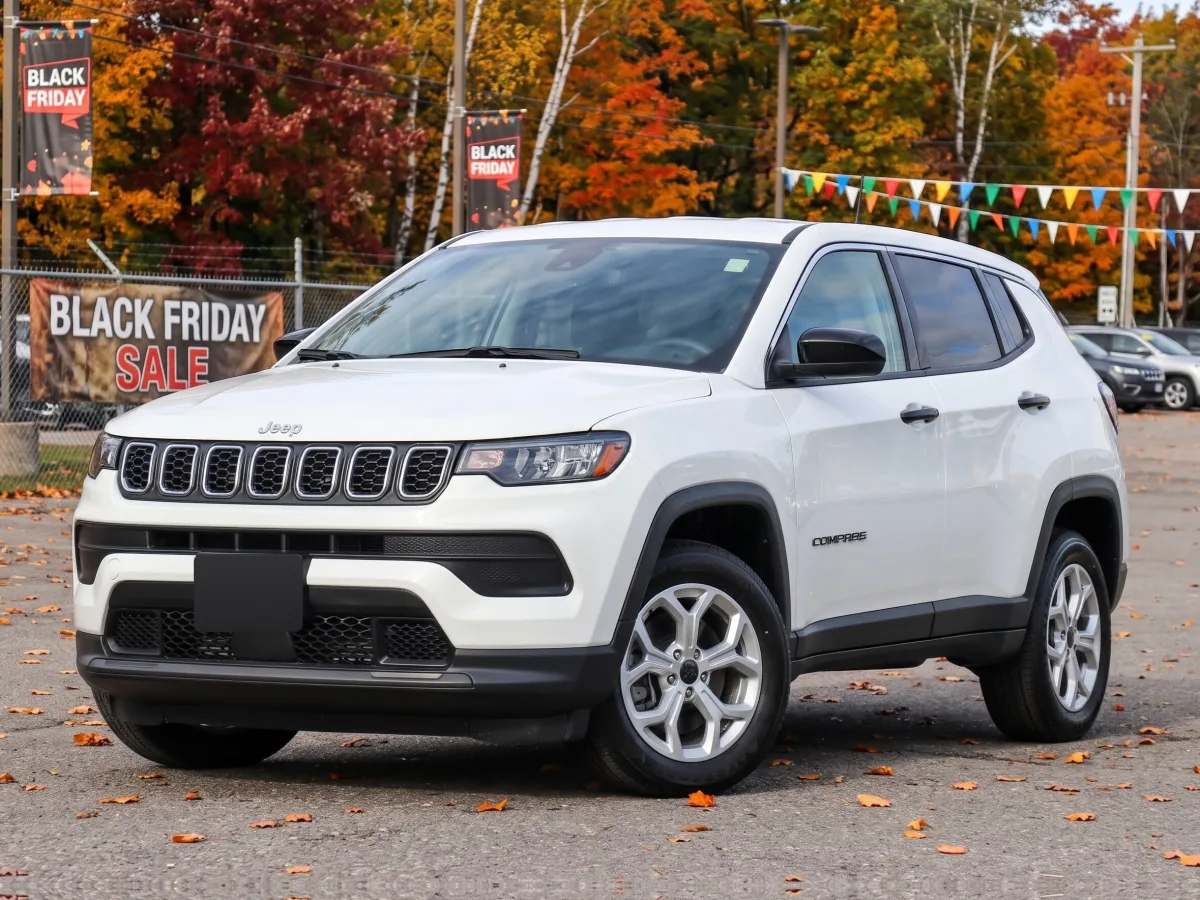
2026 Jeep Compass Sport 4x4 DEMO
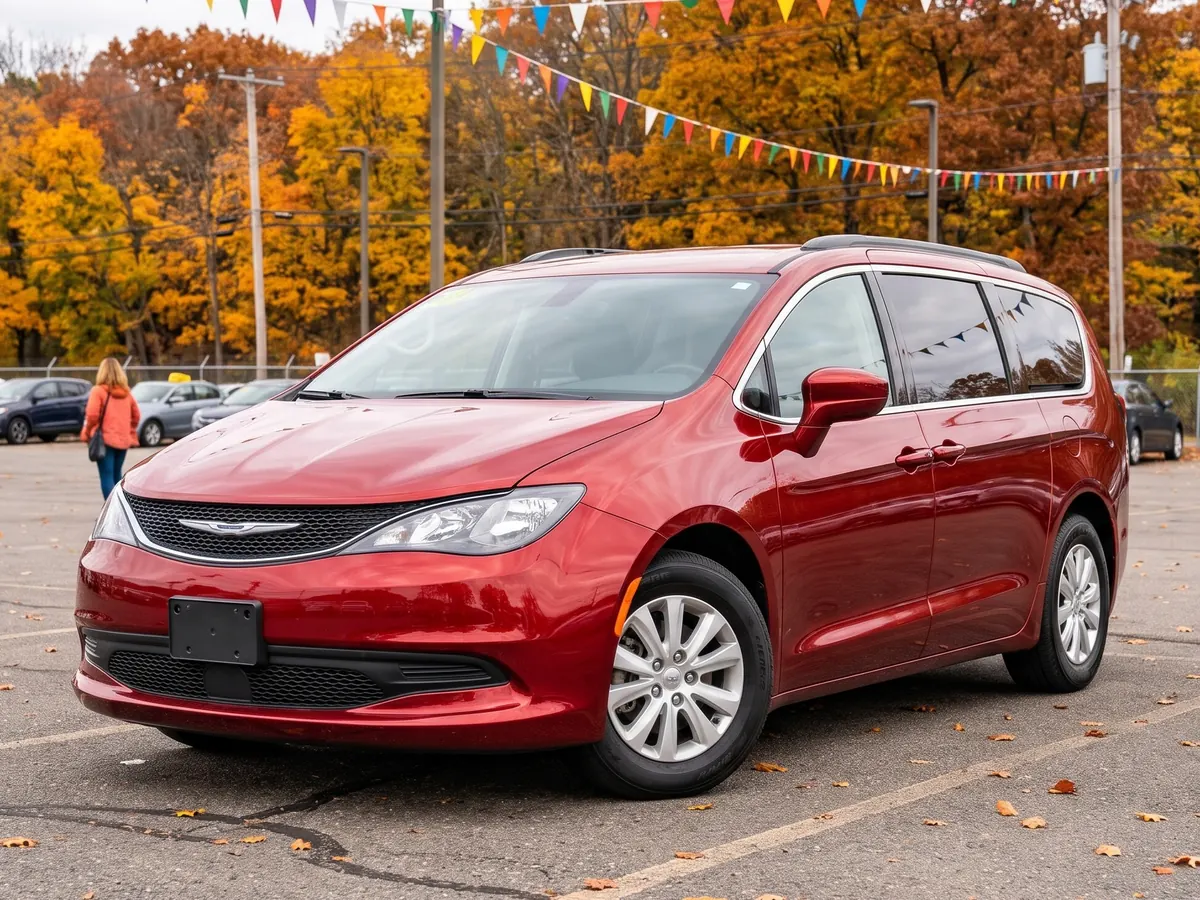
2026 Chrysler Grand Caravan SXT DEMO
A note on this month's offers. The CDD6 program is running finance offers only for November 2026 — there are no advertised lease specials in this cycle. Leasing remains available on everything Golden Mile Chrysler stocks; the terms are simply quoted directly rather than advertised as a special. Call 437-524-1747 and we will price it either way so you can compare.
Advertised weekly prices are all-in (freight, PDI, admin & OMVIC fees included); only HST and licensing are extra. On approved credit (OAC). Not all lessees or buyers will qualify — see dealer for eligibility. Vehicles subject to prior sale; see each deal page for full disclosure. E.&O.E. Call 437-524-1747.
See all of this month's deals Black Friday Used Car Sale: on until November 30, 2026 →
Talk to the Car Doctor
Straight answers, no games, no runaround. The line is open.
437-524-1747